After sunset, most security incidents shift from visible theft to opportunistic perimeter breaches. Lebawi-Net field engineers measured night-time detection accuracy across 42 commercial sites in Addis Ababa — here is what modern infrared + AI analytics actually deliver.
Night incident trend
Incidents between 22:00–05:00 dropped after upgrading to dual-sensor cameras with edge analytics. The chart below compares Q1 vs Q2 across retail, warehouse, and office deployments.
Coverage & readiness
Before recommending hardware, we score each zone for blind spots, glare, and IR throw distance. These are typical readiness scores after a Lebawi-Net site audit.
Sites that combined infrared bullet cameras with a single PTZ at the gate reduced unverified night alerts by 23% without adding more operators.
Monitoring architecture
A typical Lebawi-Net night-vision stack routes edge events to your team in under five minutes. The diagram shows signal flow from camera to action.
Detection mix after dark
Not every alert is a person on site — understanding the mix helps tune sensitivity and reduce fatigue for security staff.
Deployment snapshots
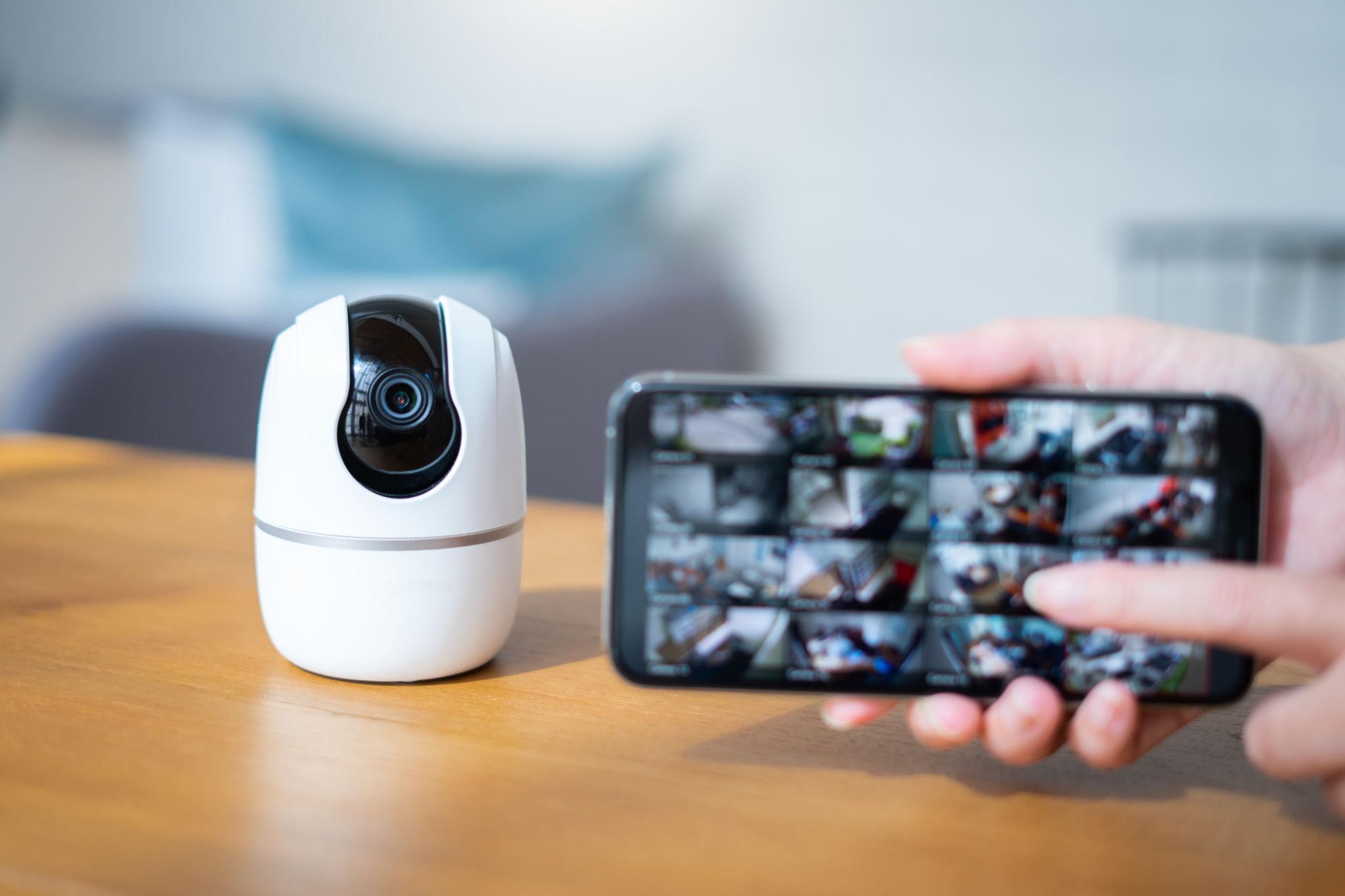
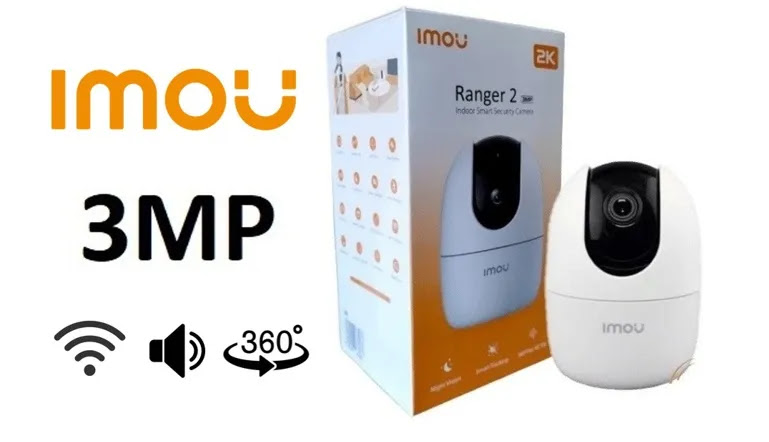
Representative installs use blended focal lengths — wide context plus tight identification at gates and loading bays.

Legacy vs modern night stack
What to do next
- Audit blind spots at gates, parking, and rear loading areas.
- Match IR throw to real wall distance — not brochure specs.
- Tune AI classes to cut environmental false positives.
- Test mobile alert latency during your busiest night shift.
Need a site-specific coverage map? Book a Lebawi-Net security assessment — we deliver a scored report with camera placement diagrams within 48 hours.